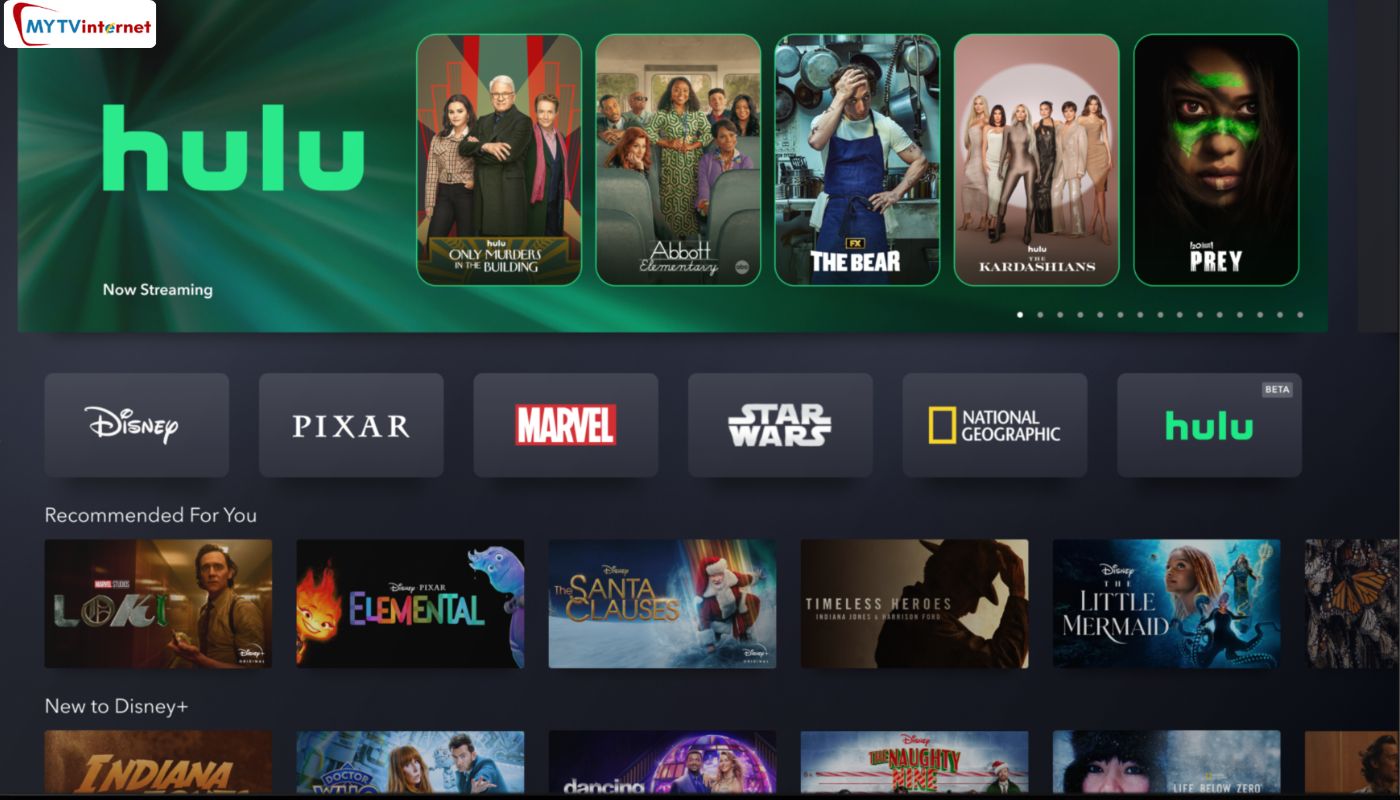
If you spend most of your time on Netflix, Hulu, and various live TV and streaming applications, the internet plan you choose can be just as important as those subscriptions. The best streaming internet plans should offer enough bandwidth, reliability, and data packages to handle 4K, multiple screens, and the occasional video call all at once.
Top 5 Internet Plans for Major Streaming Platforms
| Provider | Max.Speed | Key Perks |
|---|---|---|
| Frontier Fiber | 500 Mbps | Handles unlimited 4K streams, no data caps, symmetrical uploads. |
| Verizon 5G Home Internet | Up to 300 Mbps | No-install, no data caps, 4-year price lock; great for home wifi plans and streaming. |
| Spectrum | 300 Mbps | No data caps, wide availability, reliable enough for multiple HD/4K devices. |
| Google Fiber | Up to 1,000 Mbps | Extremely reliable, low latency; ideal for 4K/HDR and fast home internet setups |
Note: Prices and availability by zip code, ongoing promotions, but all of these are part of the top Best Internet Plans class for households serious into Netflix, Hulu, and TV Streaming Apps.
Claim Your $100 Discount—Call Now: +1(855)375-6541How much speed does a person really need?
The popular streaming services, when calculated by use demand, only small amounts of bandwidth per device, but household data usage can quickly add up. For example:
- For HD (1080p), users typically need around 5–10 Mbps per device.
- 4K Ultra HD is as much as 15–25 Mbps per device, depending on the platform and video quality.
- Live TV streaming on any platform (YouTube TV, Hulu + Live TV, Sling) takes up at least a few Mbps per stream and can easily use 25–50 Mbps or even more when several channels are tuned at the same time.
In general, between 200 to 300 Mbps is probably sufficient for the typical family with three or fewer concurrent streams on various devices. This speed range should support some browsing and the addition of smart devices at a reasonable cost.
What Makes a Plan Great for Streaming?
To handle Netflix, Hulu, and live TV shows without buffering, look for:
- high Internet Speed (100 Mbps or higher for HD, 200+ Mbps for 4K-heavy sites).
- No data caps, so you can actually do 4K or live TV watching without the worry of restrictions on usage.
- A stable, low-latency connection is a must, especially if you plan on gaming or holding a video call while you stream.
- Good Wi-Fi coverage throughout your home that makes sure every room can pull a solid signal.
A lot of the best internet plans need to be looked into for these things instead of just picking something because you see that it has "gigabit." A no-cap, mid-range high-speed internet plan service with a good router might outdo a faster but traffic-shaped connection.
How to Match a Plan to your Streaming Habits?
If you prefer watching Netflix and Hulu over 1–2 devices at the same time, then a 200 Mbps of high-speed internet connection without data caps should be quite enough. However, for 4K TVs and live TVs, and for simultaneous connection to various gaming devices, plan to go for 300 Mbps to 500 Mbps.
You might also want to pair the package with some cheaper TV bundles or VIP streaming packages that providers offer. For example, if you go for some packages, you can get discounts on your Netflix or any Disney+ style packages, making the total monthly spend cheaper alongside a great home offering.
Call Now: +1(855)375-6541FAQs
Ques. What are the best internet plans for watching Netflix and Hulu?Ans. The best Internet plans if you are bingeing on Netflix and Hulu include 100–200 Mbps speed with no data caps and steady home Wi-Fi. Fiber or 5G options, such as Frontier Fiber, Google Fiber, or Verizon 5G Home Internet, will typically be optimized.
Ques. Do I need a gigabit internet connection to watch streaming movies with 4K on Netflix and Hulu?Ans. Easy! Given most networks, 200-300 megabits per second should work well for multiple 4K streams—vice versa for capped or occasionally unstable networks. Gigabit connectivity could be useful for competitive gaming or heavy file uploads.
Ques. How do I select a subscription network that streams live TV?Ans. Get a plan on high-speed internet (200+ Mbps), without data caps, and ensure the router is powerful enough to keep your whole home online. The first step is to shop around to your area's providers and actually get some monthly tests to see how well your network holds up under the weight of 4K streaming hours before setting yourself up.