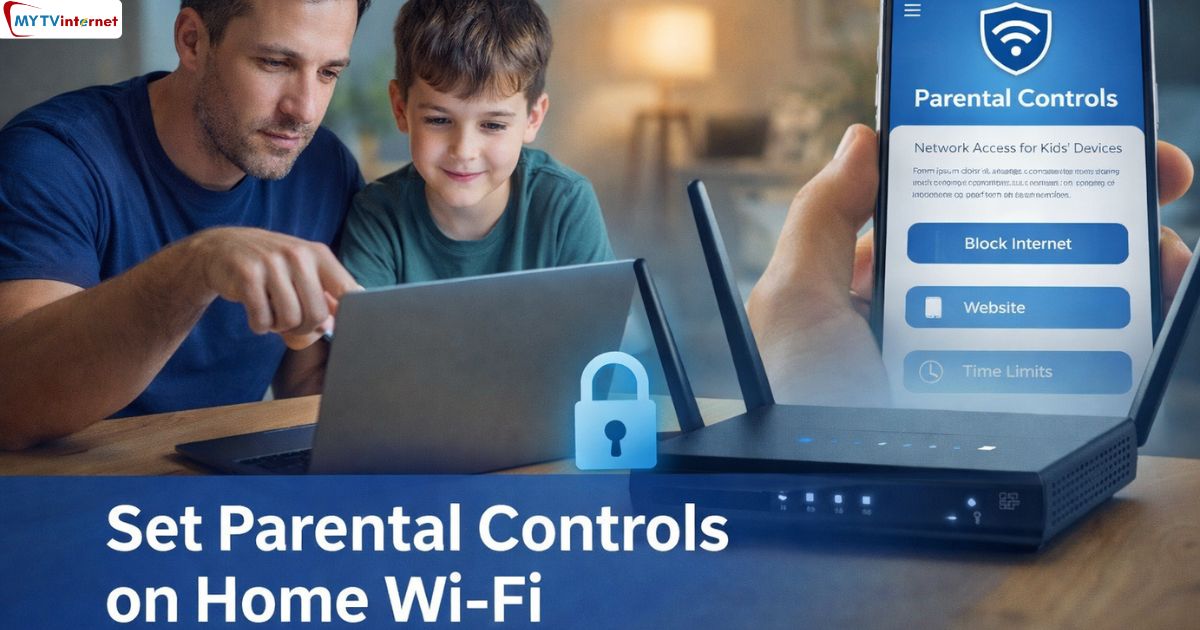
To educate, work, parent, or play, we spend more time online than anyone else in human history. Some parents say they monitor their children's email and everything they do right up until they are four years old. Nowadays, their screens are such which require greater parental awareness. As long as the device does not project a strong sense of control, you can then place a special parental control device in line with the modem and Wireless internet service, or you can use a third-party filtering service for that support.
Claim Your $100 Discount—Call Now: +1(855)375-6541Step 1: Log In to Your Router Page or App
Most every now and then, setup comes with a web interface or companion app.
- Also, be aware that the IP addresses for common logins are 192.168. 0.1 or 192.168. 1.1, the administrator names and passwords are indicated on a label or in your provider's documentation.
- Many brands (for instance, Google Nest Wireless internet service) direct users towards their Mobile App, where they can tap their network name and then search for Family Wi?Fi, Parental Control, or Access Control.
- If you cannot log in, your ISP website or support service can reset credentials and permissions to allow you to activate parental controls.
Step 2: Profile and Group Devices.
Instead of managing each device on a one-by-one basis, load those devices into a profile.
- Users can set up as many children's profiles as they want, each complete with a name (optional plus an image), and then attach any phone, tablet, laptop, or gaming console to the profile.
- Once grouped in a profile, a single click or button could pause the Internet on all the devices momentarily (if you are working on your work laptop and don't want to be disturbed).
- It is advisable to name your devices specific names (like Sam?iPad or Emma?Switch) so you know exactly which hardware you are controlling.
Step 3: Set Limits and Schedules
Timers are definitely one of the greatest financial and practical tools for a family.
- A number of routers provide for time scheduling on a daily basis if you want to remove internet availability from, say, 9 p.m. to 7 a.m. on school nights, or just allow a certain number of hours per day of online access.
- I have read some guidelines recommended by child safety programs, like using time controls to create Device-free zones (like keeping your bedroom device?free at night or pausing Wi?Fi during dinnertime).
Different rules help you give homework, rest, and fun balance during weekdays and weekends.
Call Now: +1(855)375-6541Step 4: Screen Inappropriate Content
Content filtering assists in preventing adult or violent sites from being visited over your home network.
- Next?gen equipment may block adult, weapon, and social?networking sites through built?in router controls, or may block sites through manual domain?filters.
- More advanced settings alter the router's DNS to a family?friendly service, which would block out harmful sites should they attempt to defeat the DNS gateway and also access the router's browser.
The cops remind you that no filter is foolproof, so you must use these tools in conjunction with continuously maintained dialogue about online behavior and privacy.
Add More Layers with Device Apps and Ecosystem Tools
Device?based solutions are in place for that extra layer of strict device control.
On mesh systems such as Google WiFi or Nest WiFi, you can use Family Link due to the ability to manage screen time and content on an Android and Chromebook device linked to the child's account.
Quite a few gaming consoles, phones, and tablets also have native parental control options that can restrict in?app purchases, app installs, age ratings, and other features, all of which supplement the security mechanisms on your Wireless internet service router.
By utilizing the layered types of protections to complement one another, children are shot on the foot while trying to bypass these connection methods.
How Internet Deals and Connection Types Affect Parental Controls
This complicated world of internet service provider deals and connections is definitely impacting parental controls
Especially while looking into high-speed Internet, it is good to know that not all equipment supports the same degree of parental control.
- The newer Wireless internet service 6 routers come with Fast internet deals and promotional bundles. It offers more capable parental control dashboards and app?based management options than do older routers.
- Some rural fixed wireless services or Satellite internet providers include basic scheduling and website filters on their gateway/modem devices. You may still want a parental control box if the connection is being used by multiple children.
It is advisable to check the list of parental control features before you enter into a long?term agreement. The reason is that you might have to buy separate hardware thereafter.
Call Now: +1(855)375-6541Best Practices for Keeping Kids Safer on the Internet.
Online safety experts recommend that you use some technical controls in conjunction with clear family rules.
- Regularly take a look at which websites and apps your child is using and make adjustments to said filters as your child gets older, rather than merely setting up controls and then forgetting them forever.
- Use router and application logs to detect abnormal bandwidths during post-bedtime hours and bring it to your child instead of just trying to block.
- Proper adjustment of wireless internet service settings, content filters, coupled with an open line of communication, is what's needed to make your home network conducive for learning and recreation while inhibiting the chances of exposure to harmful content.