It is now a necessity of the modern world to have a wireless internet service installed in the home. A home internet connection is required whether it is to work, have fun, or carry out communications. Some users are afraid of installing their own wifi router. They wait until a technician arrives at their house. Setting up your own modem and router can be simpler than it may seem. This can save you time and money. This guide will assist you to learn the procedure step by step. It will help you to have smooth internet connectivity on your part.
Understanding the Equipment
Awareness of the two main tools involved beforehand is beneficial.
- Modem: This is a device that connects your home to the network of your Internet service provider (ISP). You can translate the internet signal so that your devices understand it.
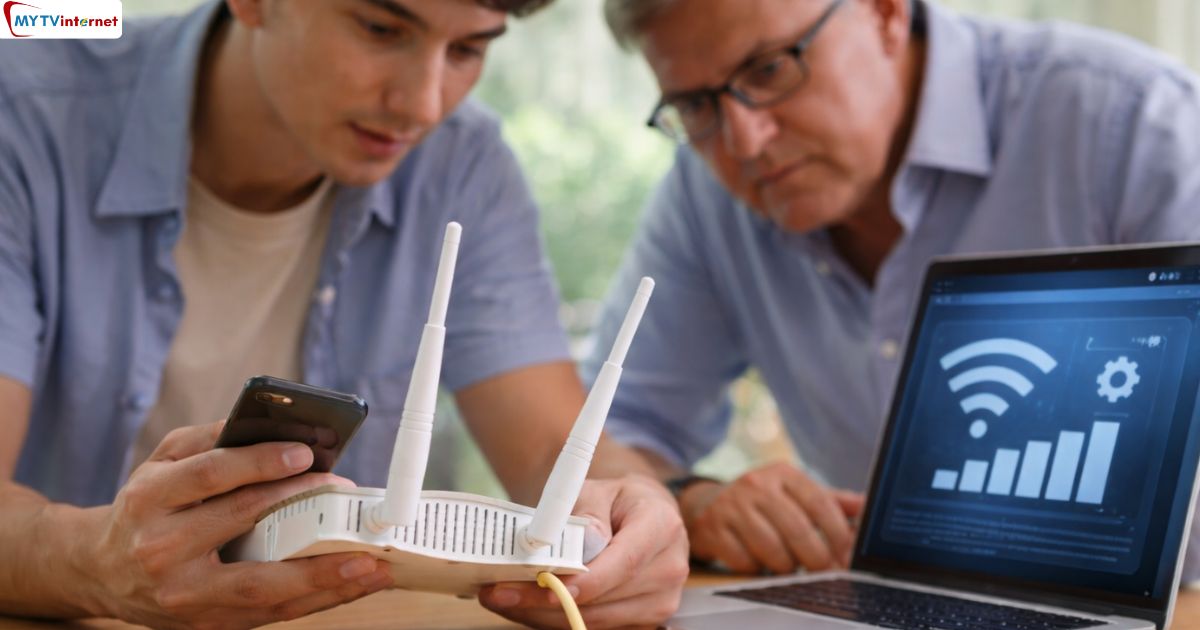
- Router: This is an internet distributor to several devices around your home network, whether wirelessly or via cables.
Other ISPs supply a modem-router (also called a gateway) device that combines both.
Step-by-Step Home Internet Setup
Claim Your $100 Discount—Call Now: +1(855)375-6541
1. Choose the Right Modem and Router
- Visit the official site of your internet service provider to confirm that your modem and router are compatible. It is worth using recommended devices to maximize performance.
- Choose whether you need separate modem and router devices or a combined device as per your needs.
2. Connect Your Modem
- Unload your modem and find the coaxial cable (cable internet), the phone line (DSL), or the fiber optic cable, depending on the type of service you have.
- Plug the cable of the wall outlet into the port labeled on the modem.
- Connect the power adapter of the modem and switch it on. When the lights show that it has connected to the internet, wait (typically a solid or blinking internet light).
3. Activate Your Modem
- Other ISPs will have you enable the modem online. Connect to the default network of the modem with your computer or smartphone, or a wired connection.
- Log in to the activation webpage as directed by your ISP or access their official activation portal.
- Fill in the necessary information, such as account number, modem MAC address (this is normally on a label on the modem), and work through the screens to complete the activation.
4. Connect the Router
- Should one use separate devices, an Ethernet cable has to be connected between the LAN port of the modem and the WAN or internet port of the router.
- Connect the power of your router by plugging in the power adapter and turning it on.
- Allow the router indicator lights to stabilize so that it is ready.
5. Configure the Router for Wireless Internet Service
- Connect your computer or smartphone to the default Wi-Fi network that is displayed on the router.
- Start a web browser and type the IP address of the router to configure it (mostly 192.168.1.1 or 192.168.0.1). Look in the manual of your router or on its official site.
- Log in with default (usually admin/admin, or admin/password) credentials.
- Change a new Wi-Fi name (SSID) and a safe password to secure your wireless internet connection.
- Toggle away and reboot the router when necessary.
6. Test Your Connection for Home Internet Setup
- Internet Set up Test Your Connection to the Internet at Home.
- After installation, you will have the ability to connect your devices to the new Wi-Fi network with the credentials you have created.
- Switch sites on a browser and test speed and reliability.
- Go to the online speed test websites suggested on the official site of your ISP to check your connection speed.
Tips for a Successful Wifi Router Installation
- Your router should be central in your home to get maximum coverage.
- One should not install routers close to thick walls, metallic objects, or electronic appliances that might disrupt signals.
- Maintain the firmware Current Maintain the latest version of the firmware by occasionally visiting the support site of your router manufacturer.
- When troublesome situations occur, restart the modem and the router, and then proceed with troubleshooting or call your internet service provider.
Conclusion
Installation of your own modem and router to use wireless internet is not hard with the right instructions. With knowledge of the devices, correct connections, and adherence to provider instructions, you will save money, and you will not need to visit the technician. Always visit the official websites of your ISP to see whether the thing is compatible and active. Experience the comfort, freedom, and content of having a dependable internet connection in the home. To know more about TV and Internet packages, get in touch with the My TV Internet customer care number.